Looking at a bar differently
Of course, spending the past decade designing and building bars makes it difficult to stand behind one without looking at how it works.
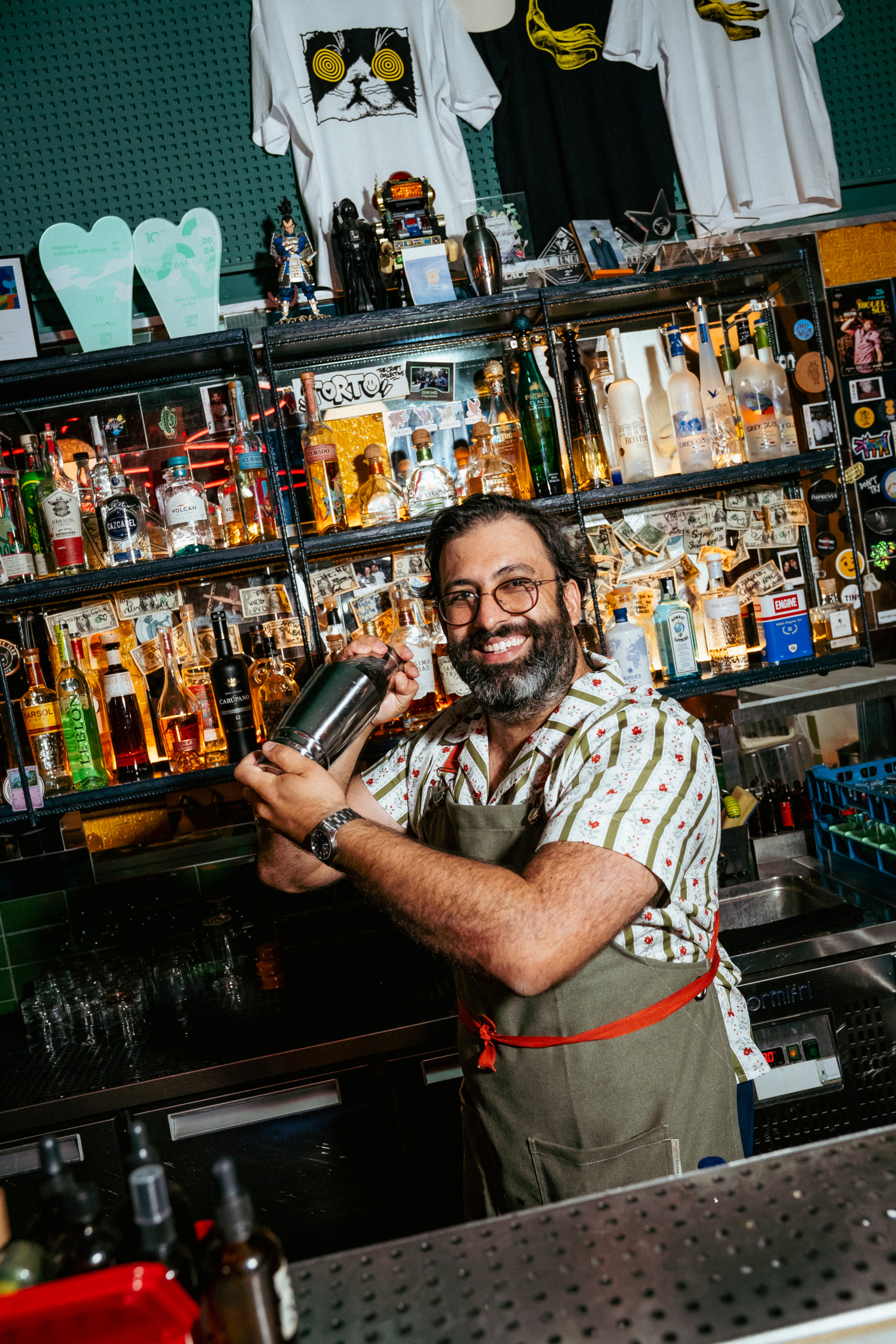
Alex caught himself doing exactly that.
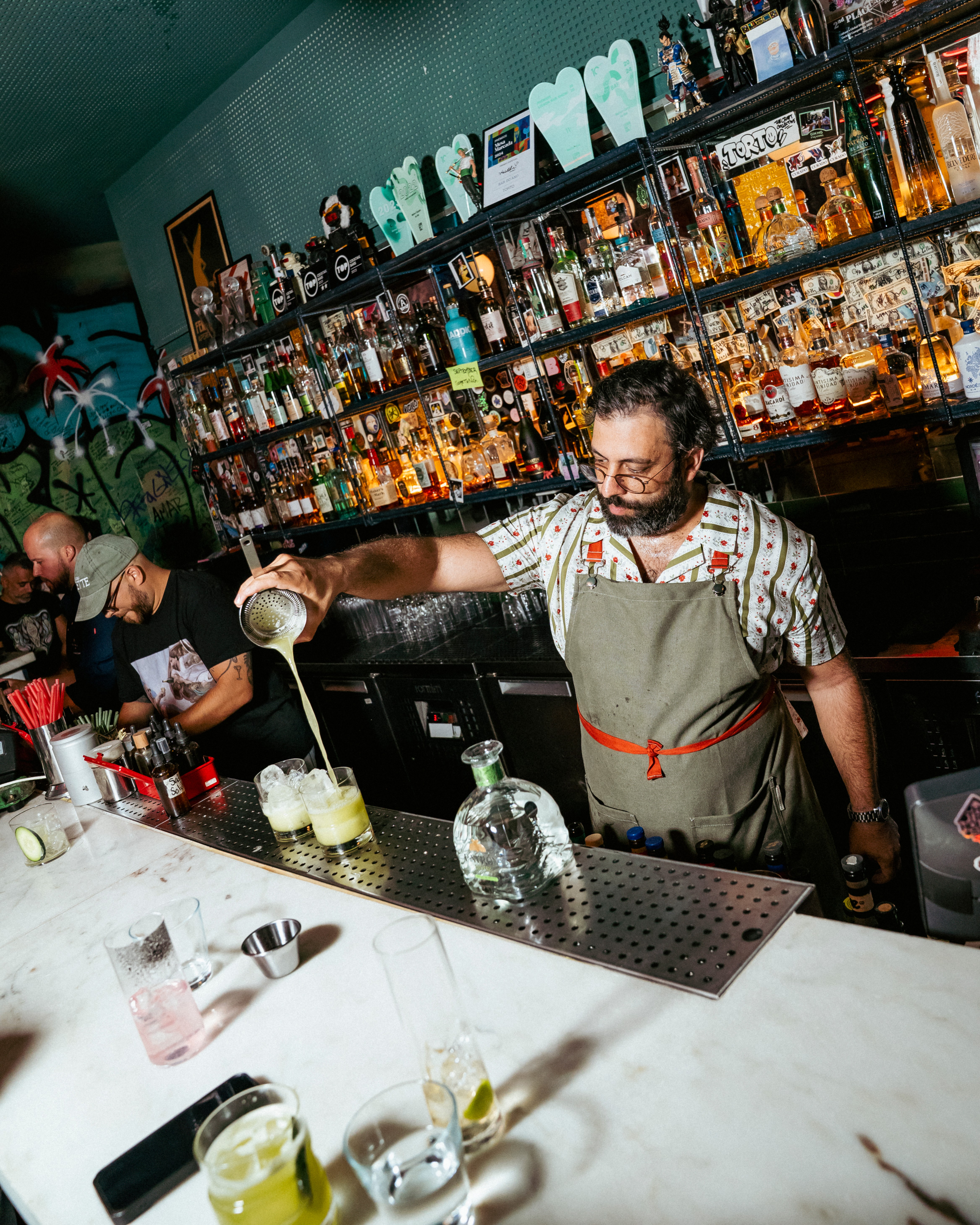
“For sure. Torto wasn’t designed by Behind Bars, and it’s an amazing venue. But I found myself noticing things like the shaker rinser and the height of the cocktail-building area.”
Not as a critique of the venue, but as a reminder of just how much the physical setup becomes part of a bartender’s shift once service gets busy.
“You really see the importance of good design when the bar is full and tickets start pouring in.”
It took him back to his own years working in bars, when an undersized ice well could mean refilling it six or ten times in a night, glassware running out meant walking across the room for more, and small inefficiencies added hundreds of unnecessary movements to a shift.
“You can control your preparation, but you can’t change the space during service. These details need to be considered from the start.”
One of his early influences actually came from outside the bar.
“I was fortunate to work in large hotels, and I learnt a lot from watching chefs. The preparation, the tools, the organisation and the systems were all designed to support fast, consistent service.”
At the time, he felt bartenders were rarely given the same level of consideration.
“That has changed enormously over the past 20 years. Today, much more thought and intention goes into designing bars around the people who actually work behind them.”
The bit designers can forget
Going back behind the counter also flipped the perspective.
At Behind Bars, much of Alex’s day is now spent thinking about workflow, engineering, equipment and how a bartender moves through a station. Working an actual shift again was a reminder that bartending is never just a sequence of physical tasks.
“It’s easy to forget what guests see and experience from the other side of the bar.”
A bartender might be building several drinks while taking an order, talking to a guest, planning the next round in their head and watching the station next door to see whether a colleague needs help.
“We focus a lot on function, but bartenders are constantly multitasking. Understanding that perspective is essential.”
His solution for keeping designers connected to reality is perhaps slightly less conventional.
“It made me think we should send everyone to a bartender base camp. If anyone wants a designer to help cover a shift, let me know.”
He laughs, but there is a serious point underneath it.
“Designers spend much of their time working at a desk and on a computer, so hands-on experience really matters. Several of our designers already have bartending backgrounds, which makes a real difference.”