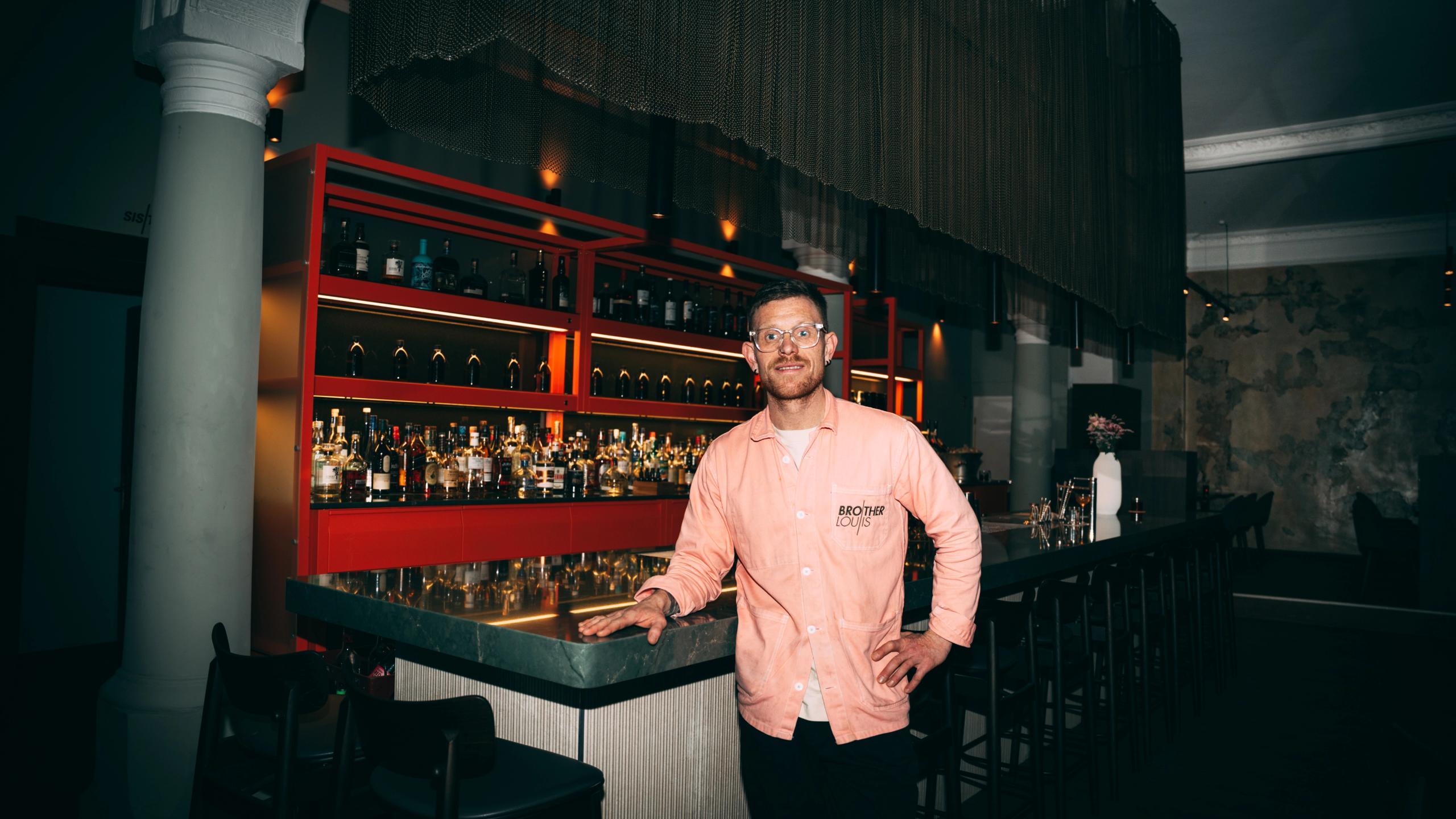
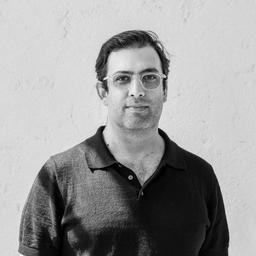
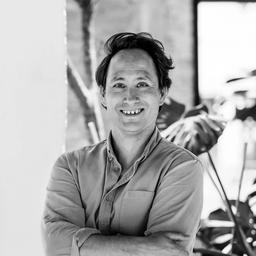
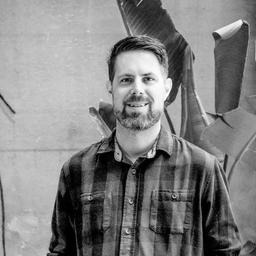
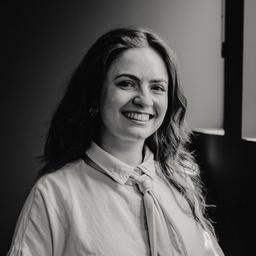
Brother Louis is not open seven days a week. This is not a limitation, but a decision. “A bar needs a day to breathe,” he says, referring both to the space and to the people who work within it. That day allows for maintenance and adjustments, but also gives the team a level of stability that is often missing in hospitality. “Hospitality should be sustainable for the people working in it,” he adds. This thinking extends further into how the concept is structured, where accessibility in pricing and atmosphere is achieved through careful product selection, close collaboration with partners, and the production of their own wine-based aperitifs and cuvées, allowing both creative control and financial balance.
At the same time, the service model sits somewhere between bar and restaurant. Many members of the team come from Michelin-starred backgrounds, which brings a different sensitivity to how guests are approached and how the evening unfolds. The result is a form of hospitality that feels attentive without being performative, where the focus shifts away from the object in the glass and toward the person holding it.
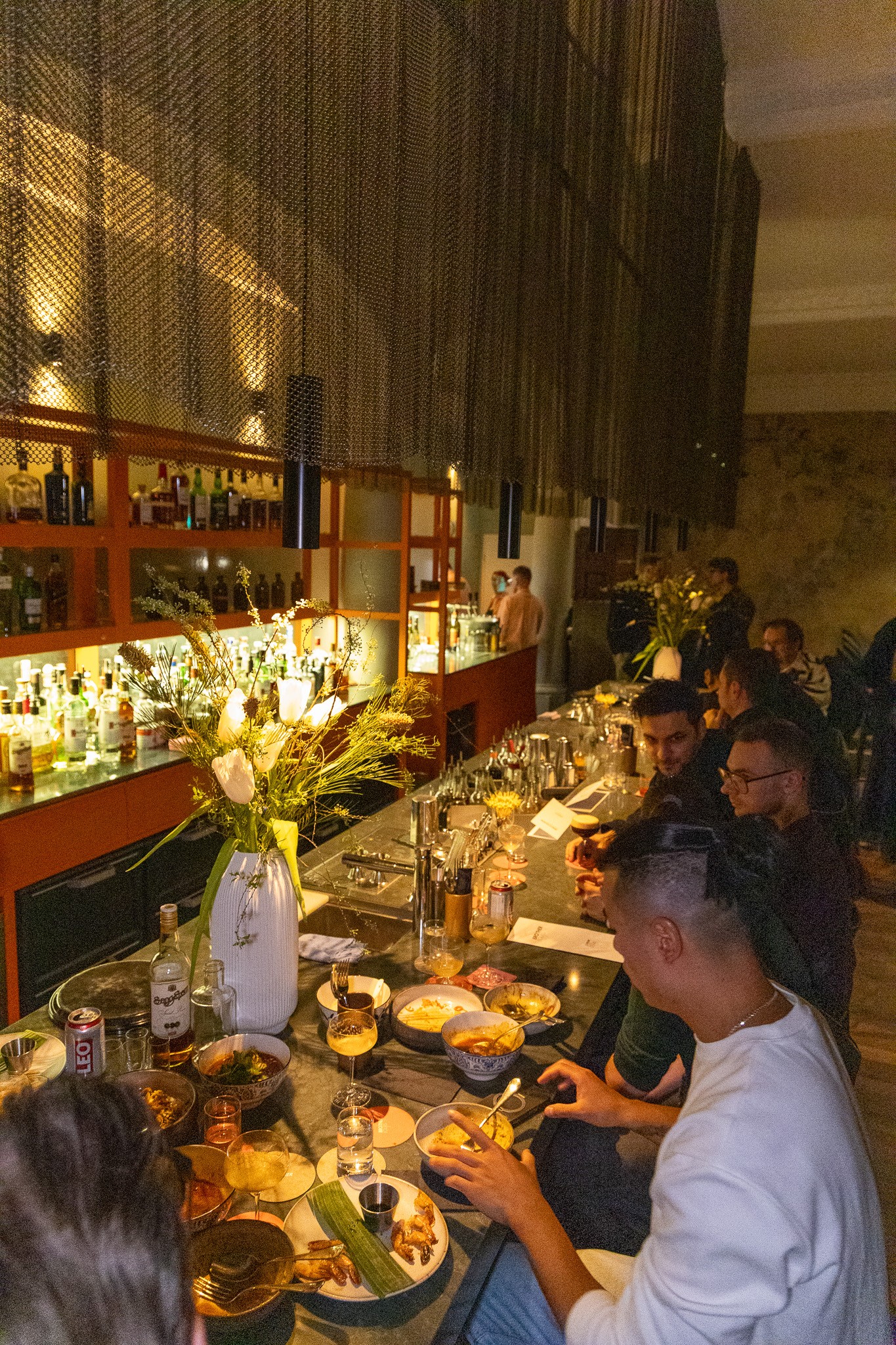
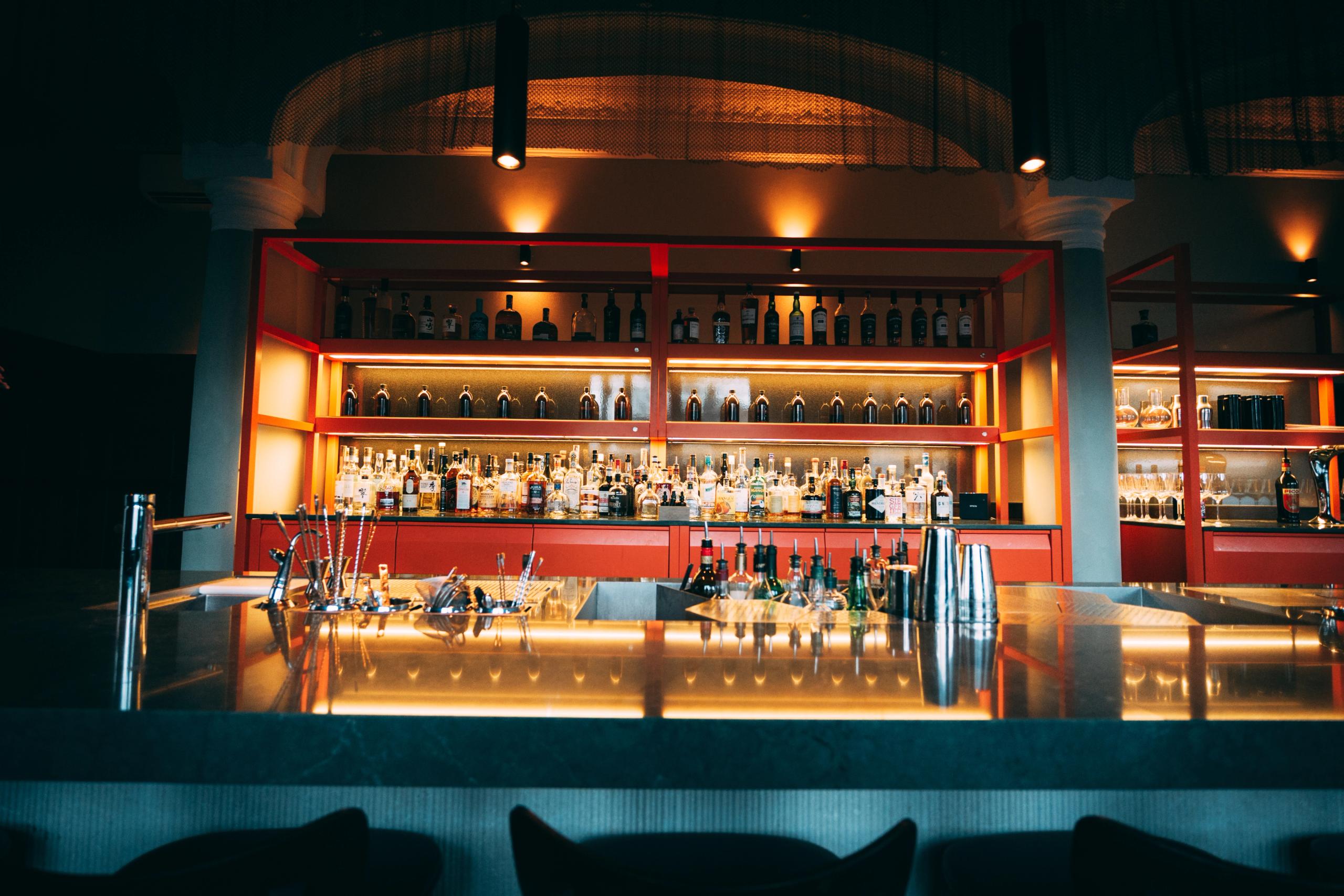
After opening, one realisation became immediately clear. “How strongly our own energy influences the room,” Tobias reflects. Hospitality, in that sense, is not neutral. The mood behind the bar shapes the atmosphere in front of it. Another assumption also shifted. The space is large, and initially it was expected that a larger team would be required to operate it effectively. In practice, the opposite proved true. The structure of the menu and the layout of the bar made it possible to run the space efficiently with a smaller, highly skilled team.