Behind The Scenes
Step Inside Behind Bars Office in Oslo
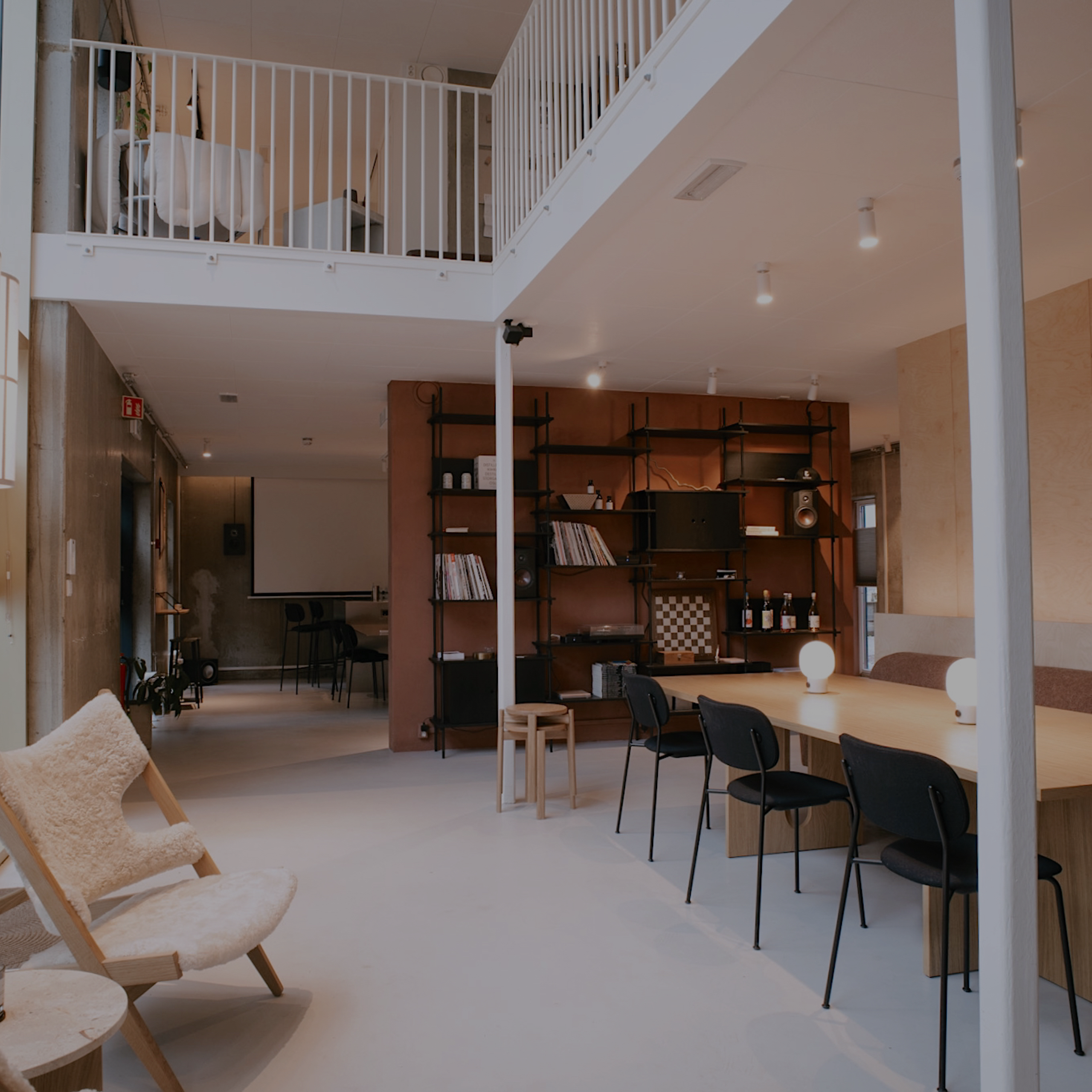
Where bar design meets creativity, collaboration, and thoughtful design in our headquarters, showroom, and creative space, with co-founder Sam Millin guiding you through the tour.
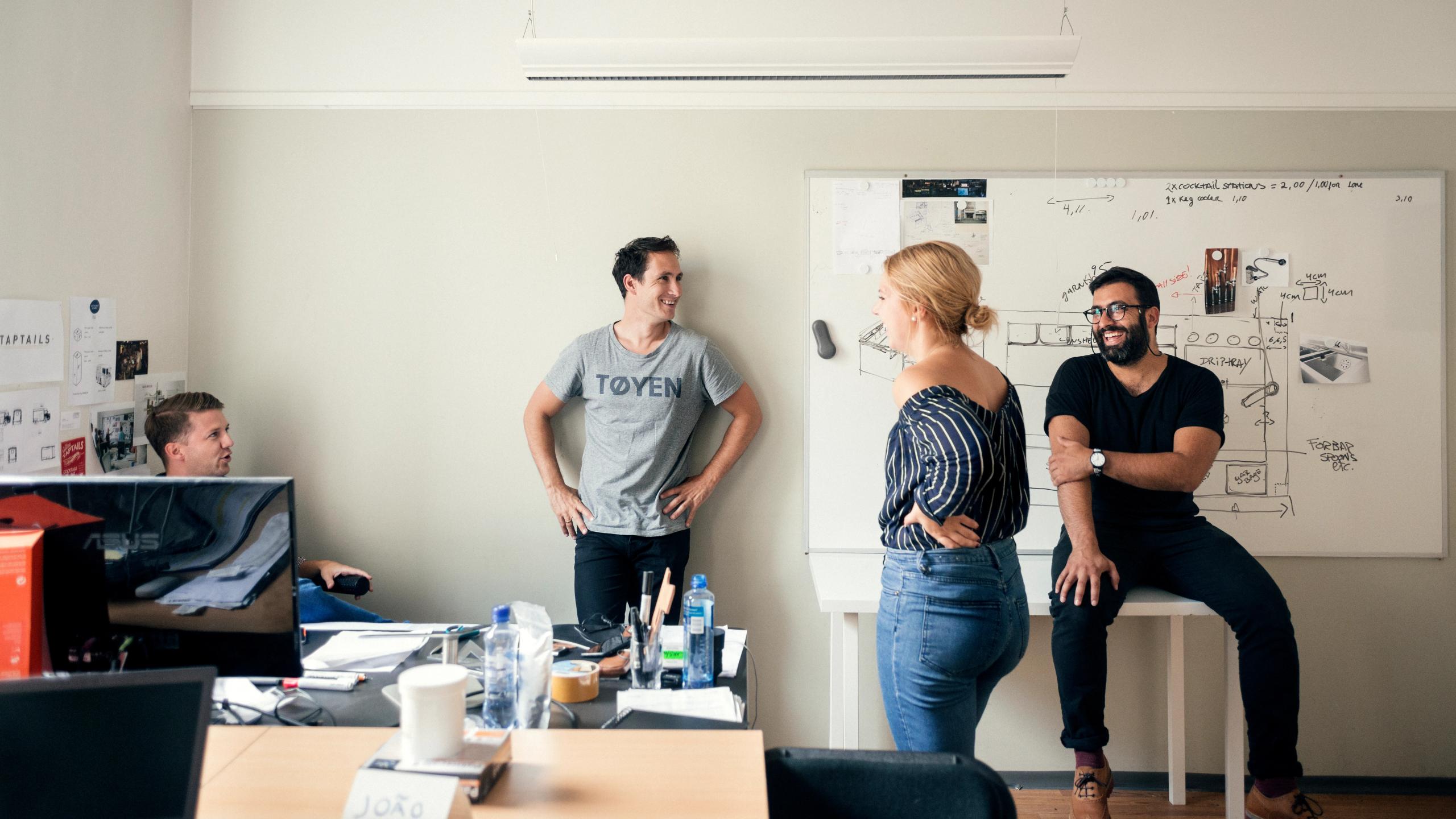
Behind Bars did not begin with a product launch, a workshop or even the name Behind Bars.
It began with two bartenders using their experience in hospitality to do consultancy during the day and returning to their regular jobs at night.
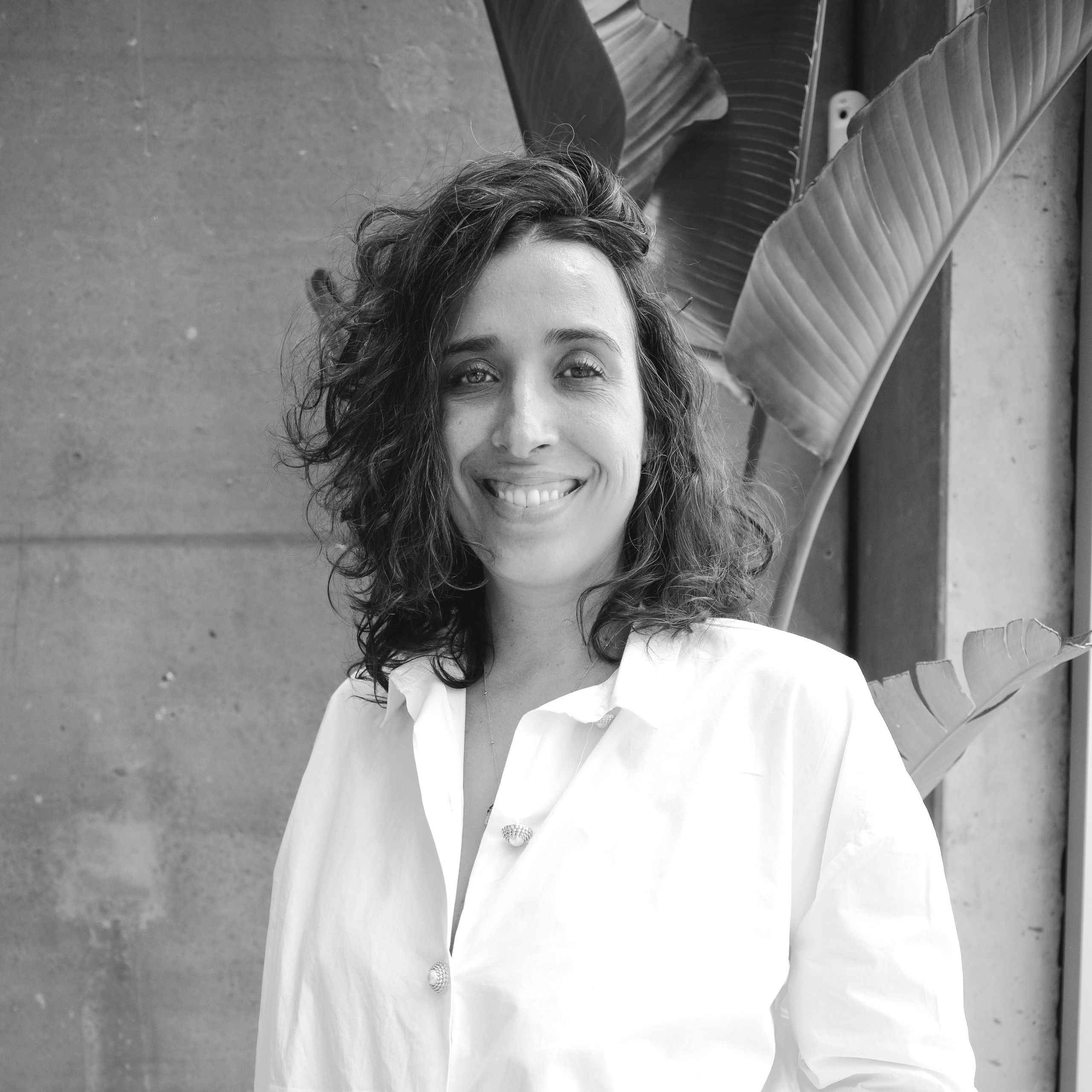
“People ask when we quit our day jobs to start Behind Bars,” says co-founder Sam Millin. “But it was the opposite. Behind Bars was the day job. The question was when we could transition out of our night jobs.”
The first invoices went out under the name of Alex’s first company, Ruas Consulting. Alex and Sam were still working behind the bar, testing ideas during their shifts and learning how to run a company as they went. There were rough logos, long conversations over possible names and, as Alex puts it, “a lot of fun and stupid, naïve mistakes.”
That was 2014. More than a decade later, Behind Bars designs and manufactures bar stations for hospitality projects around the world. The scale has changed considerably, but the motivation for building the company has remained surprisingly consistent.
Starting with the work behind the bar
Before Behind Bars designed and made bars, its founders worked for over 15 years each in the conditions they now design for.
They knew what it was to repeat the same movement hundreds of times during service, to work around poorly positioned equipment and to compensate for design decisions made without thought for the person using the space.
It also showed them where hospitality investment can become unbalanced. Venues might spend heavily on chairs, sofas and finishes, while treating the bar—the place expected to generate the revenue to keep the lights on—as an area in which to reduce costs.
The consequences often appeared later.
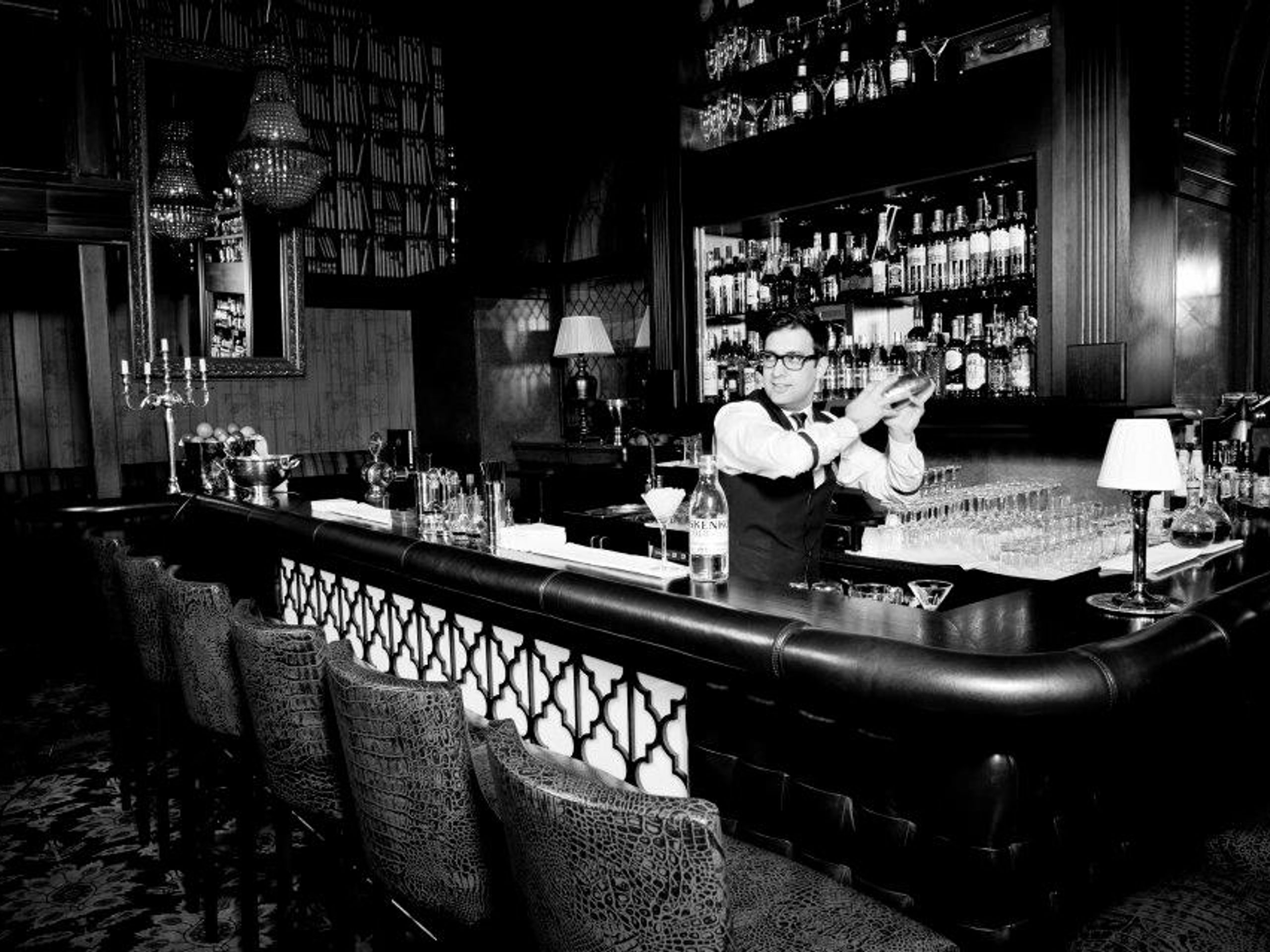
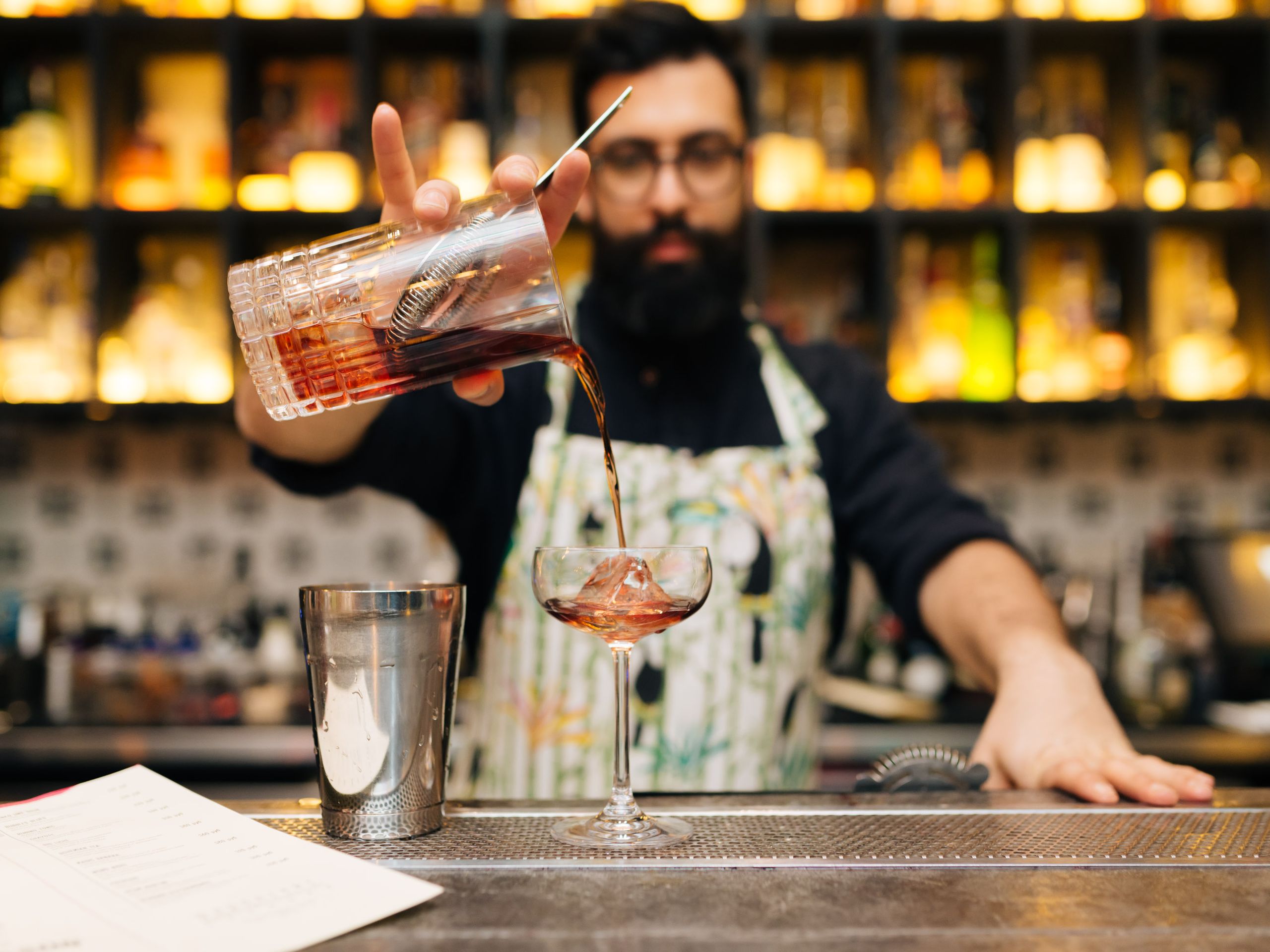
“I have seen companies cut costs on the bar and revisit those decisions six months later,” Alex says. “The operations team is then forced to reinvest and correct choices made during procurement. Cheap can become expensive very quickly.”
For the founders, the bar was never simply another piece of the interior. It was a working environment, a point of contact with the guest and an important part of how the venue generated revenue.
The company first approached these challenges through hospitality consultancy. The turning point came when Alex and Sam decided to move from advising bars to designing and producing them.
If they wanted to change how the bar worked, they had to address the physical environment itself.
Turning operational knowledge into something buildable
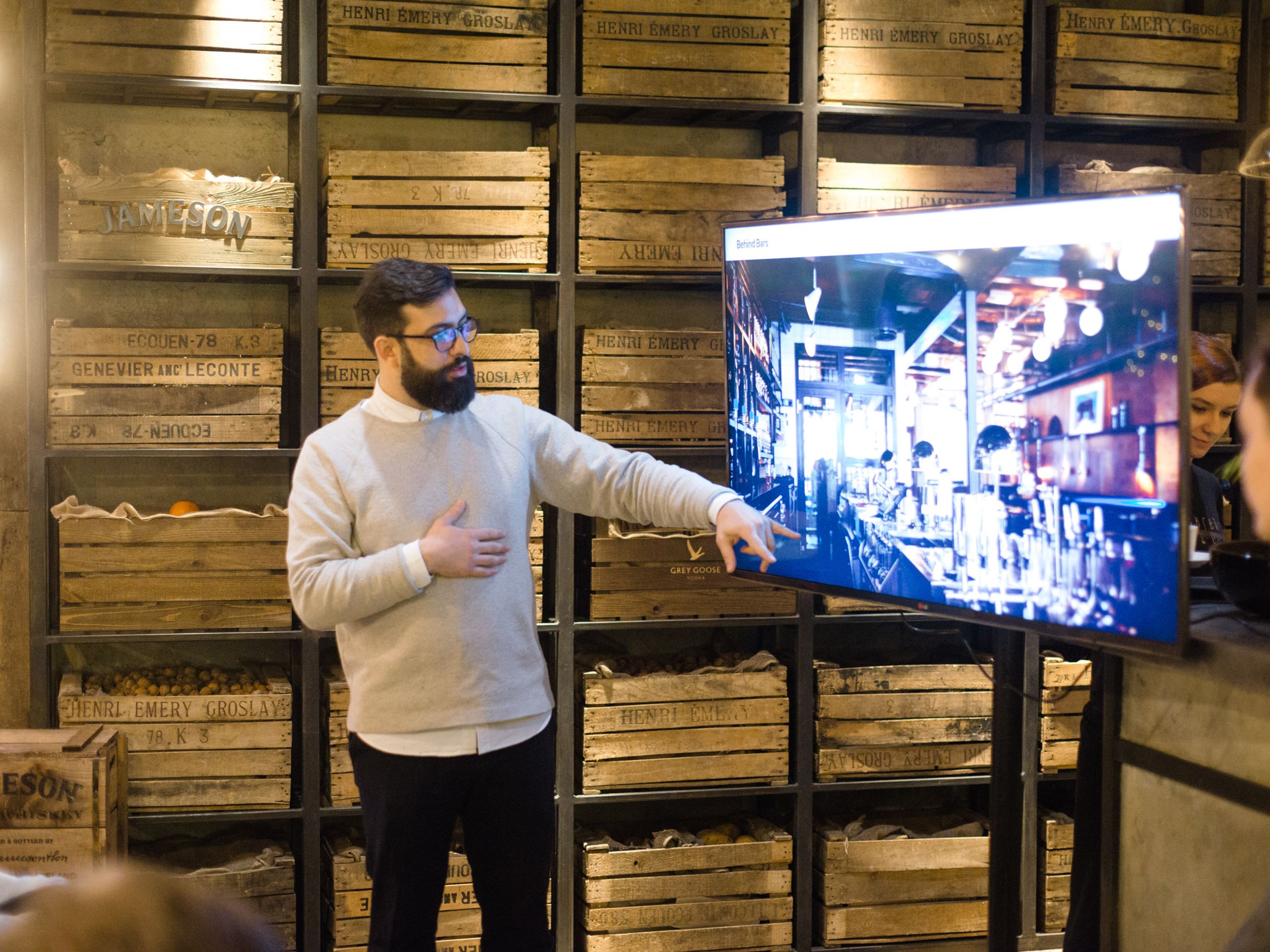
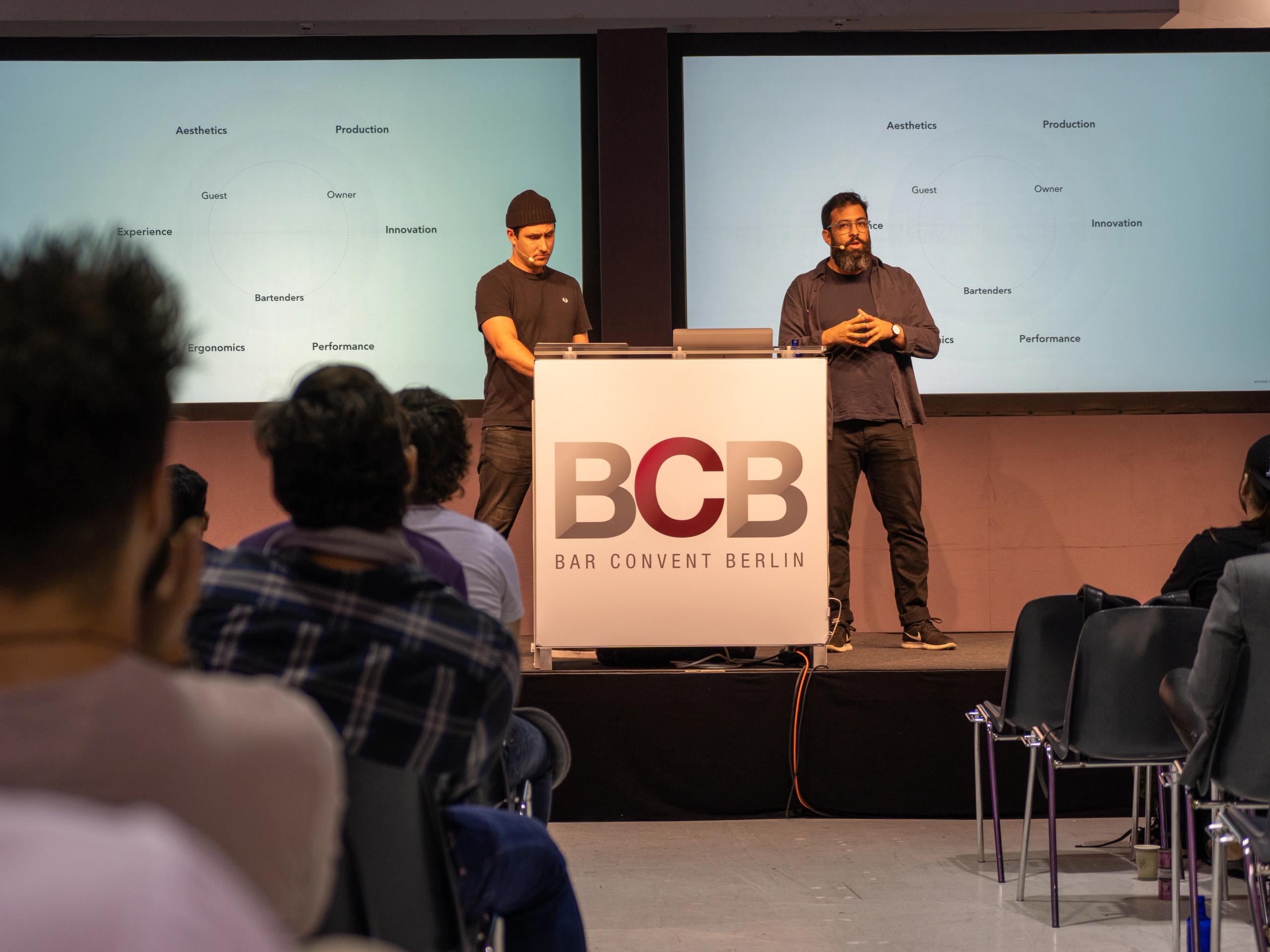
Today, Behind Bars designs and manufactures bar stations for restaurants, hotels, cocktail bars and other hospitality spaces. But a project can begin in very different ways.
Sometimes the initial concept comes from a bartender with a clear vision of how they want to work. Behind Bars helps guide that idea through design, engineering and production, turning operational knowledge into a solution that can be manufactured, installed and used every day.
On other projects, Behind Bars is brought in before an opps team exists. In those cases, Behind Bars acts as the operational partner, helping clients, architects, consultants and designers understand what the bar will need before key spatial and technical decisions are fixed.
The work goes beyond deciding where equipment should sit. It considers utilities, access, cleaning, maintenance, health compliance, installation and the less visible technical details that can become major problems later. More than this it requires a deep understanding of bar operations and the equipment requirements to execute specific concepts.
Over time, that process has developed into a wider support platform for clients, consultants, dealers and route-to-market partners across more than 57 countries globally. Working across so many markets has also brought a detailed understanding of differing regulations, health requirements and the logistics needed to reach more complex destinations.
A good idea still has to survive engineering, production, transport, installation and service. That complete journey is part of the design.
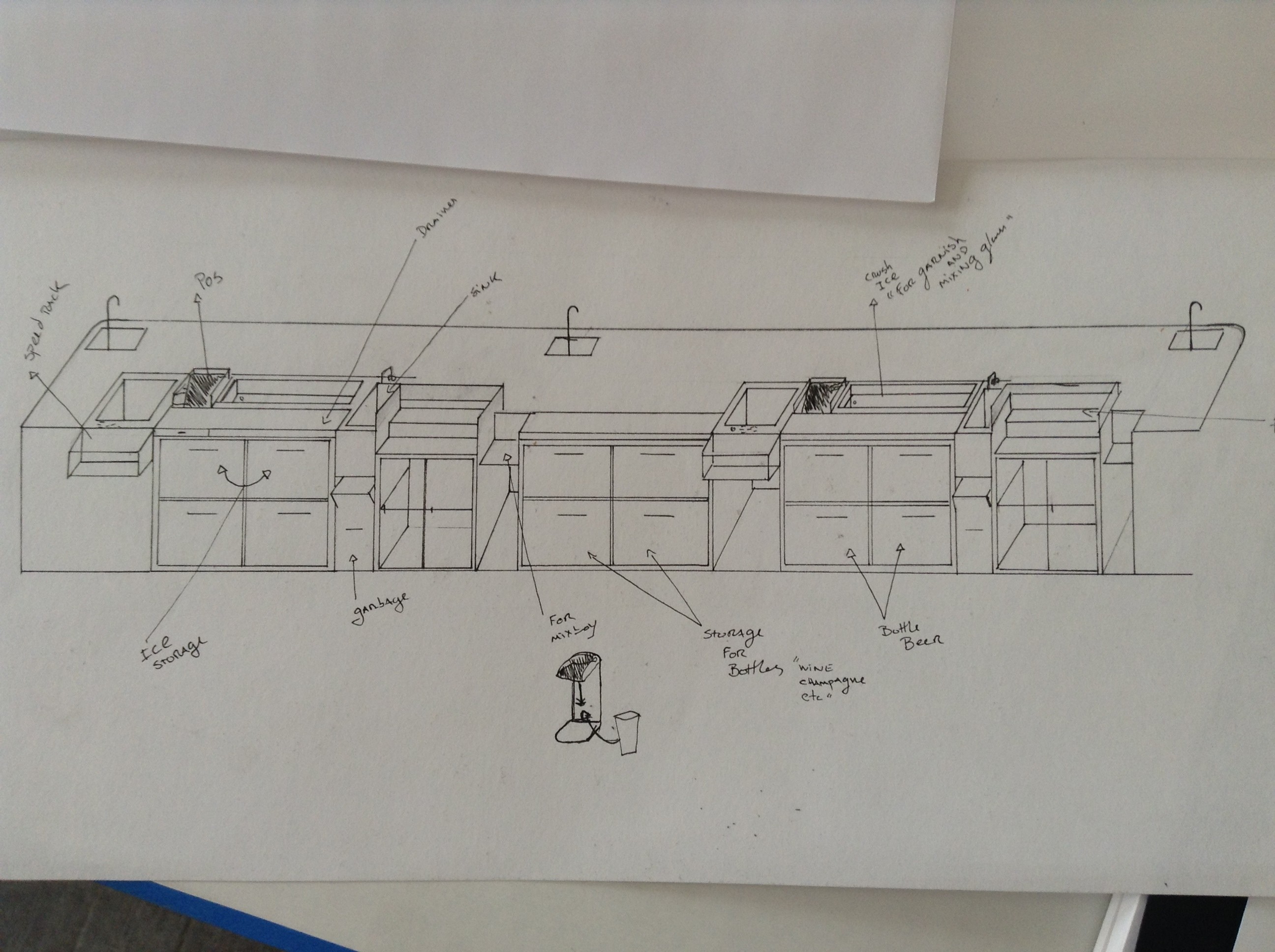
An early Himkok sketch from Behind Bars’ consulting days, when bar ideas were still worked out by hand, before there was an engineering department or specialist design software.
There was no single moment when Behind Bars became an international company. Alex and Sam remember a series of projects, each requiring a little more trust and responsibility than the one before it.
One of the first came through Erk Potur at Himkok in Oslo, who trusted the founders with a consultancy project when the company had little more than experience and an idea.
The development of the Tayēr + Elementary station with Monica Berg and Alex Kratena gave Behind Bars greater visibility within the international bar industry. A collaboration with Moe Aljaff at Two Schmucks gave rise to the great grandfather of what is now the Paloma Series. Bigger projects for Britannia Hotel in Trondheim and later Sommerro in Oslo proved that the company could manage more complex environments and multiple bar areas within the same venue.
“For me, Sommerro showed that we could handle any type of project as a company,” Sam says. “It was the scale of the project, the calibre of the client and the amount that had to come together.”
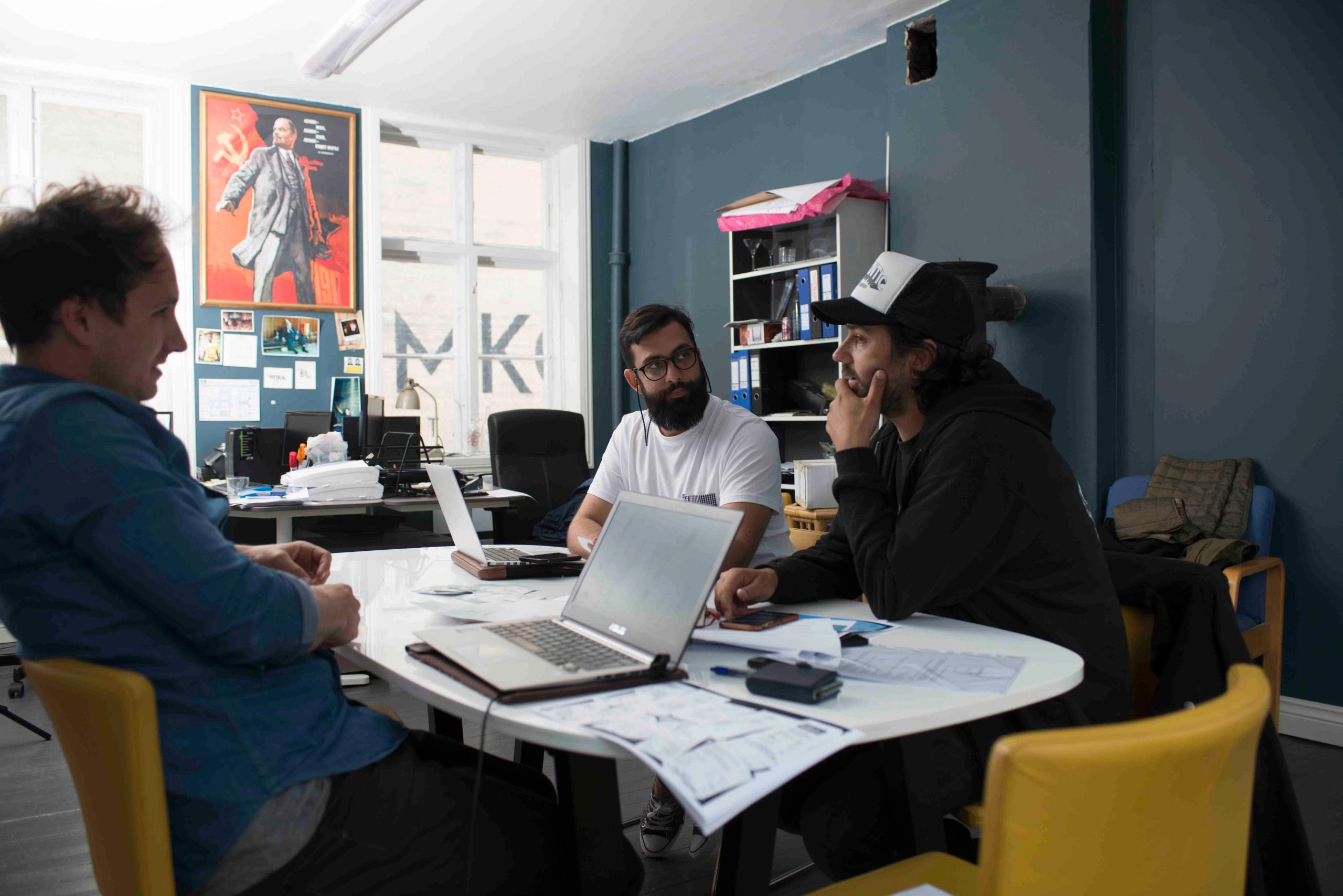
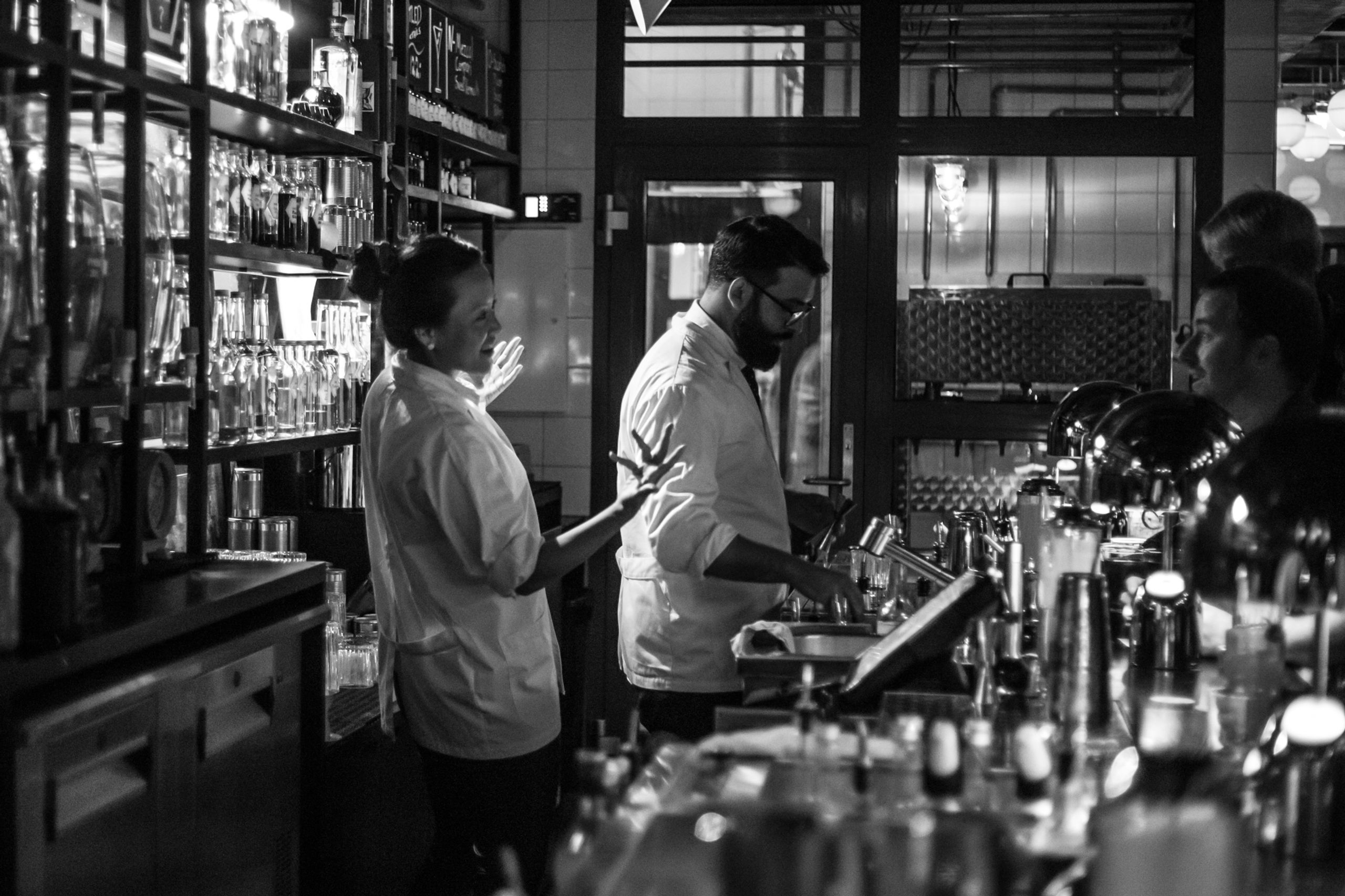
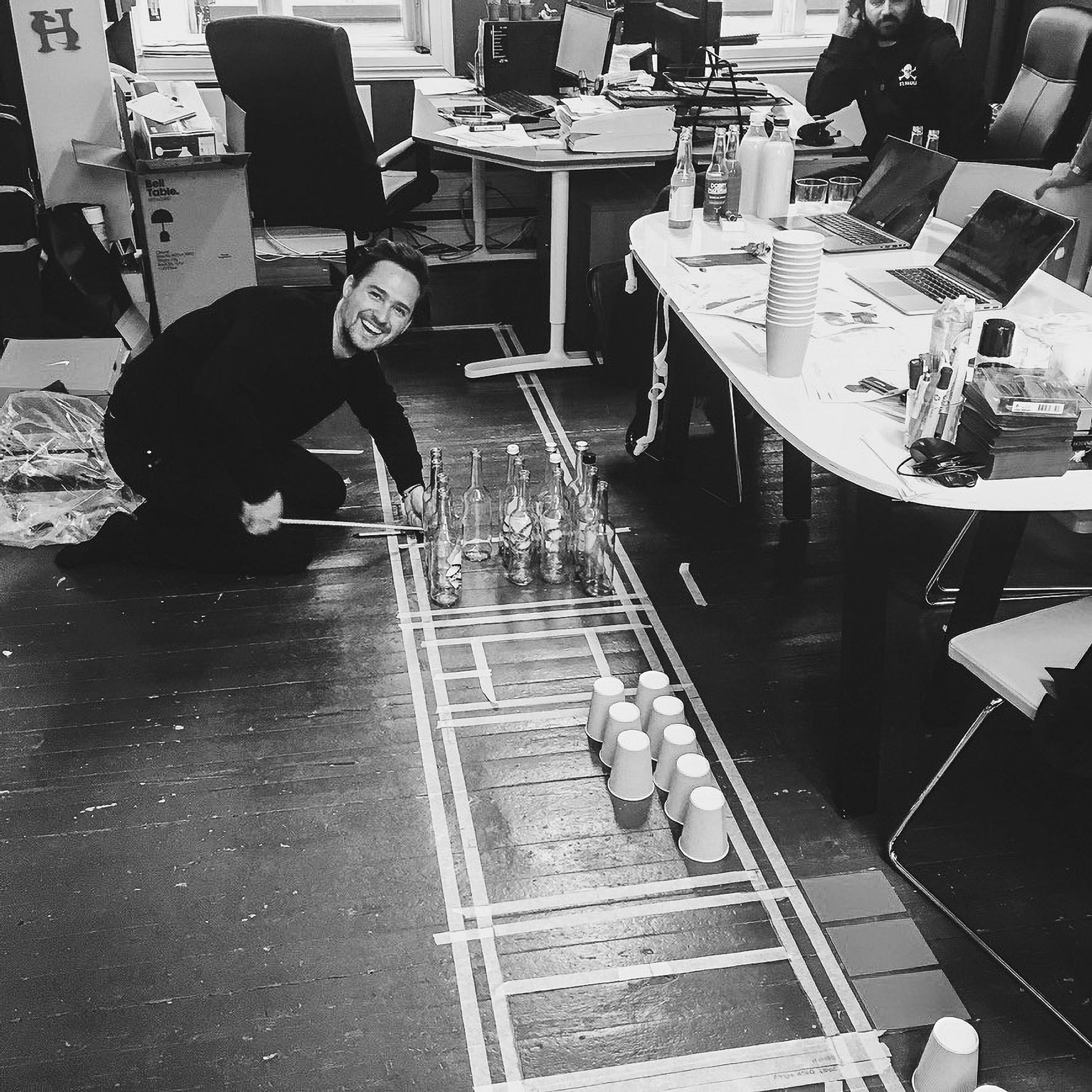
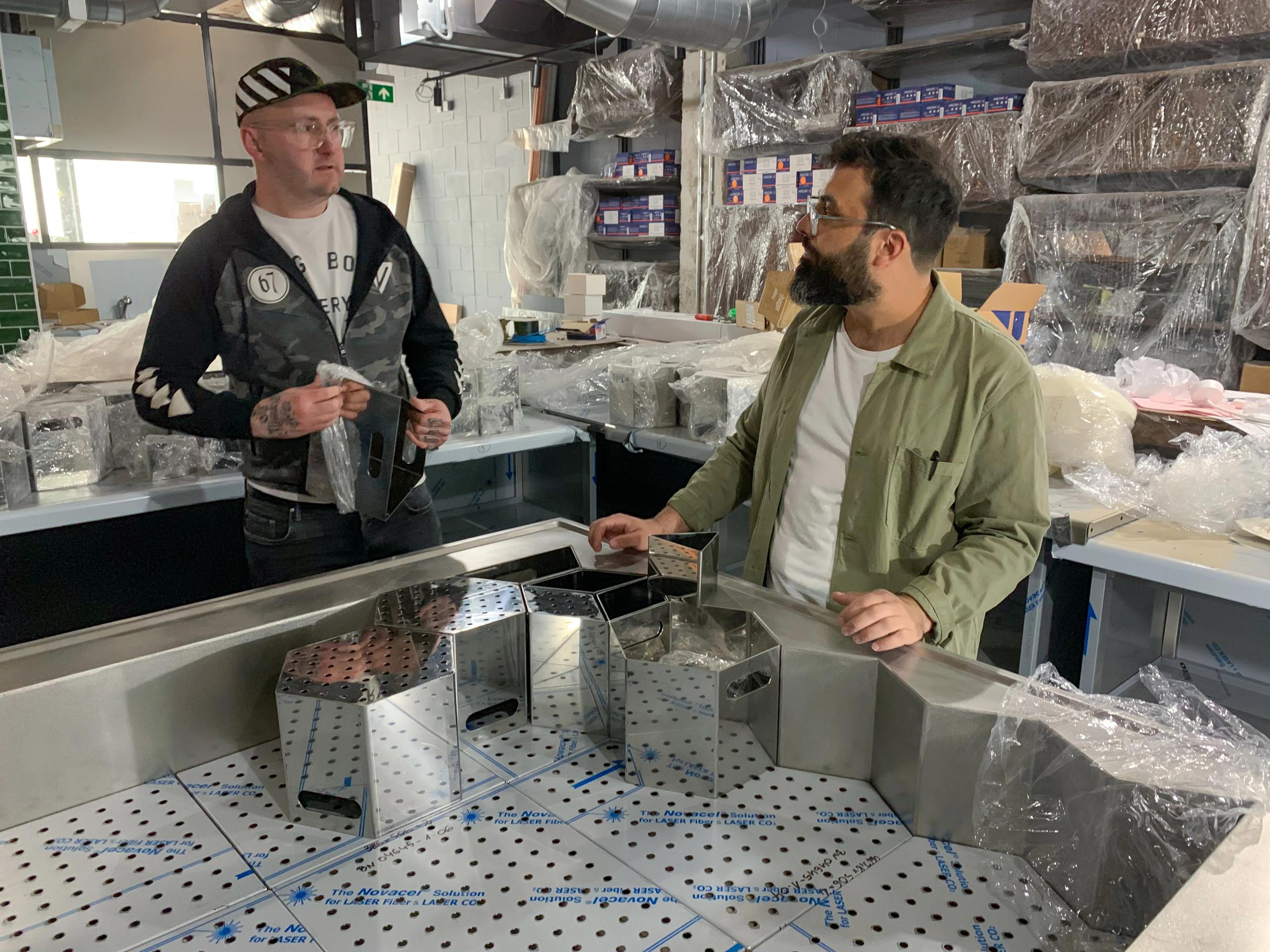
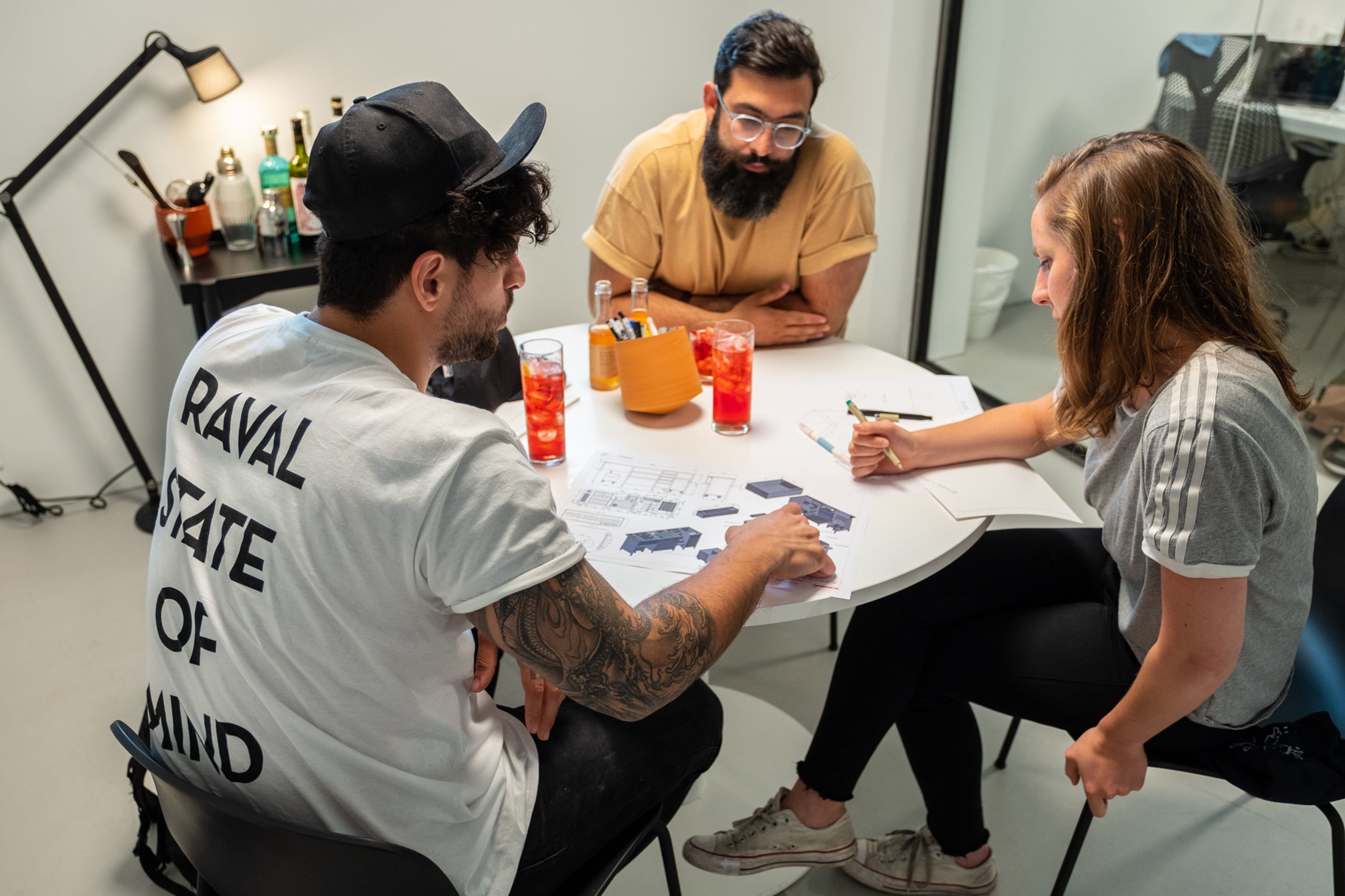
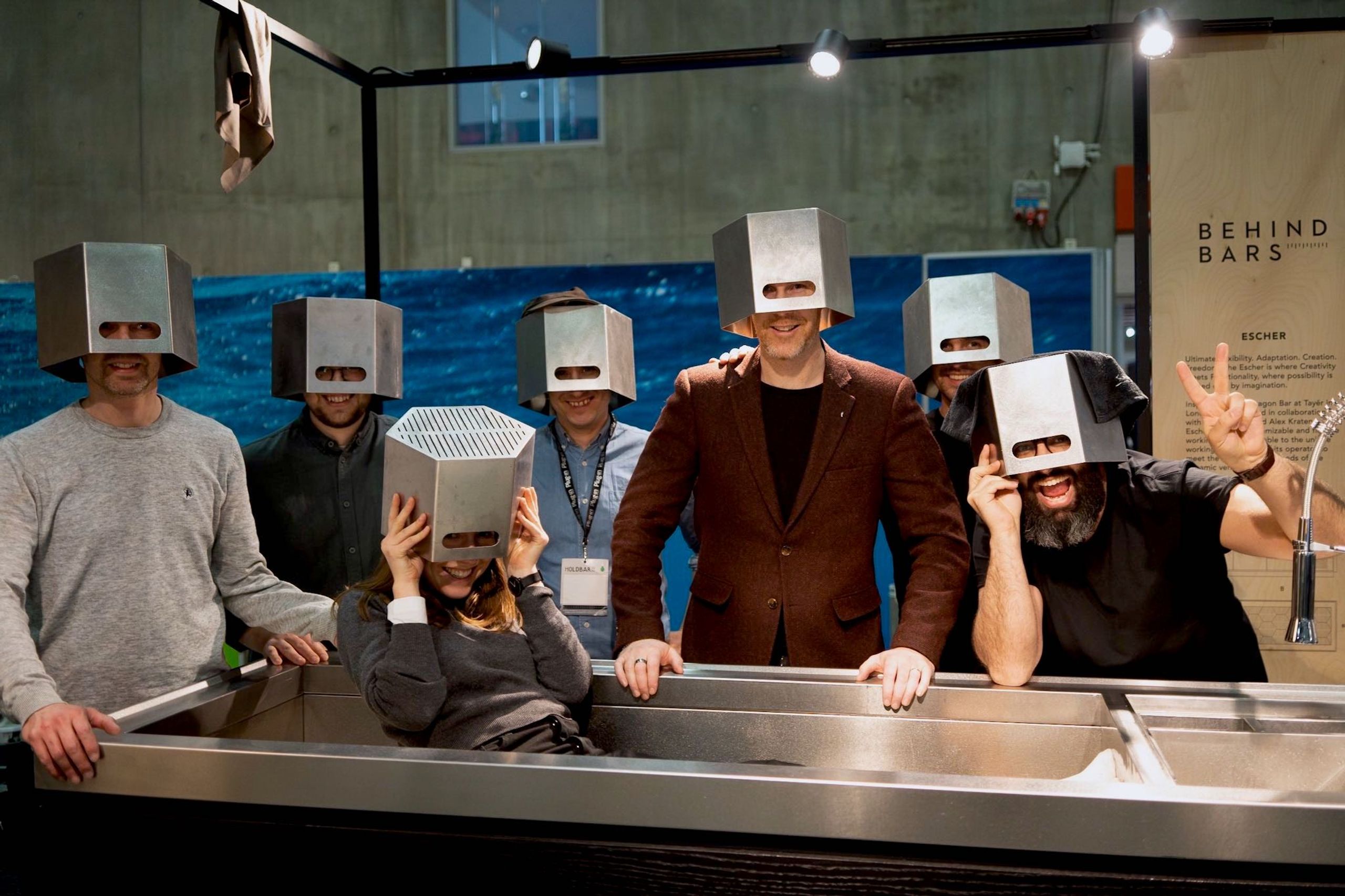
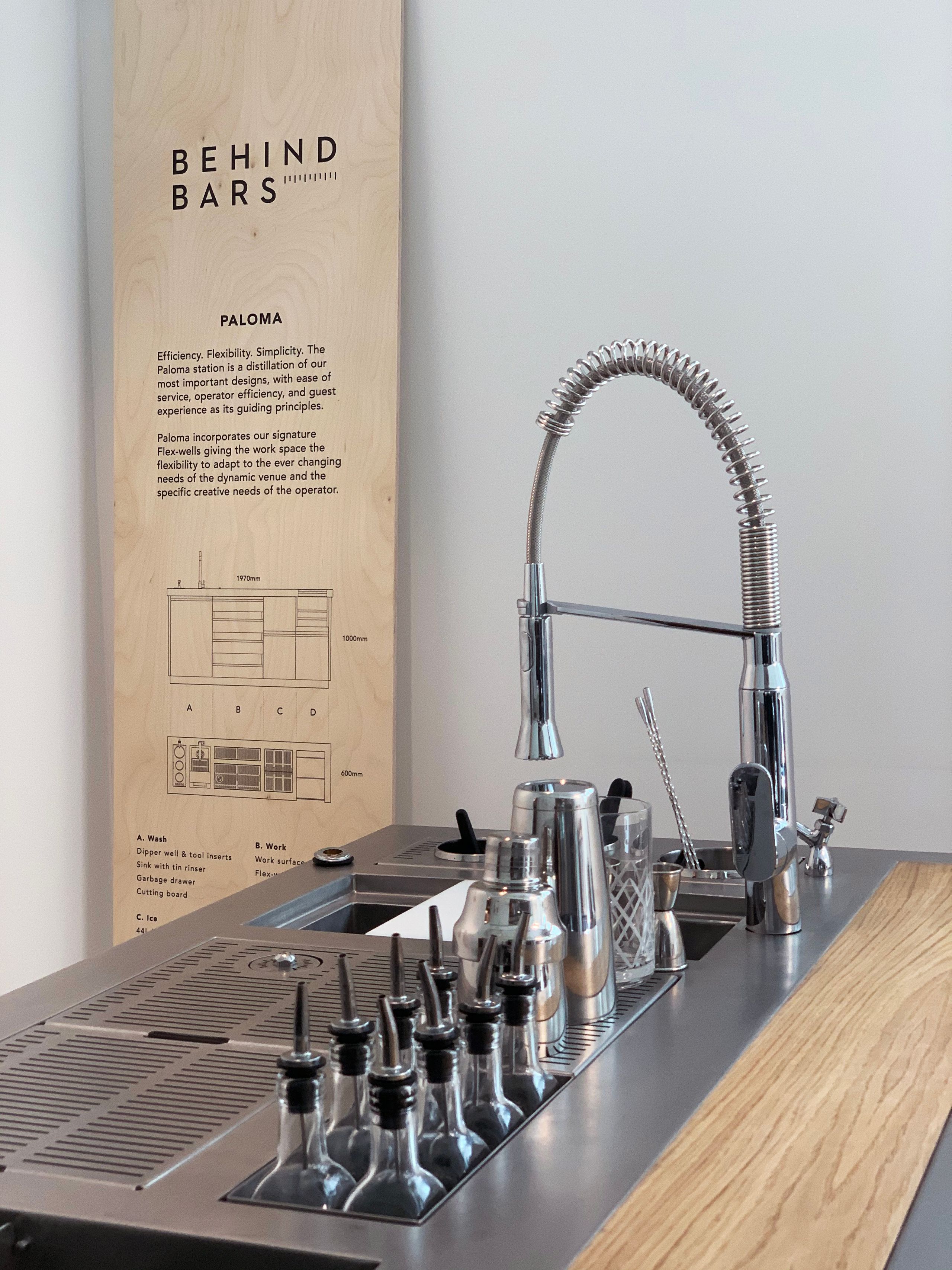
International work followed, the first of which was in Azerbaijan and then across a growing number of markets. Much of that growth came through recommendations from bartenders, operators, consultants and designers who had worked with the team before.
More recently, Behind Bars has partnered with third-generation American manufacturer Krowne to build a stronger presence in the United States. It is another step in the company’s growth, but also part of the same longer journey: combining operational understanding with the manufacturing, technical knowledge and local support required to deliver reliably in each market.
The founders are careful not to present that journey as uninterrupted progress. There were difficult projects, lessons learned through experience and decisions that had to be revisited. There was also the moment the business employed its first team member and became responsible for someone beyond its founders.
“Building a company is not just the idea,” Alex says. “It is the execution.”
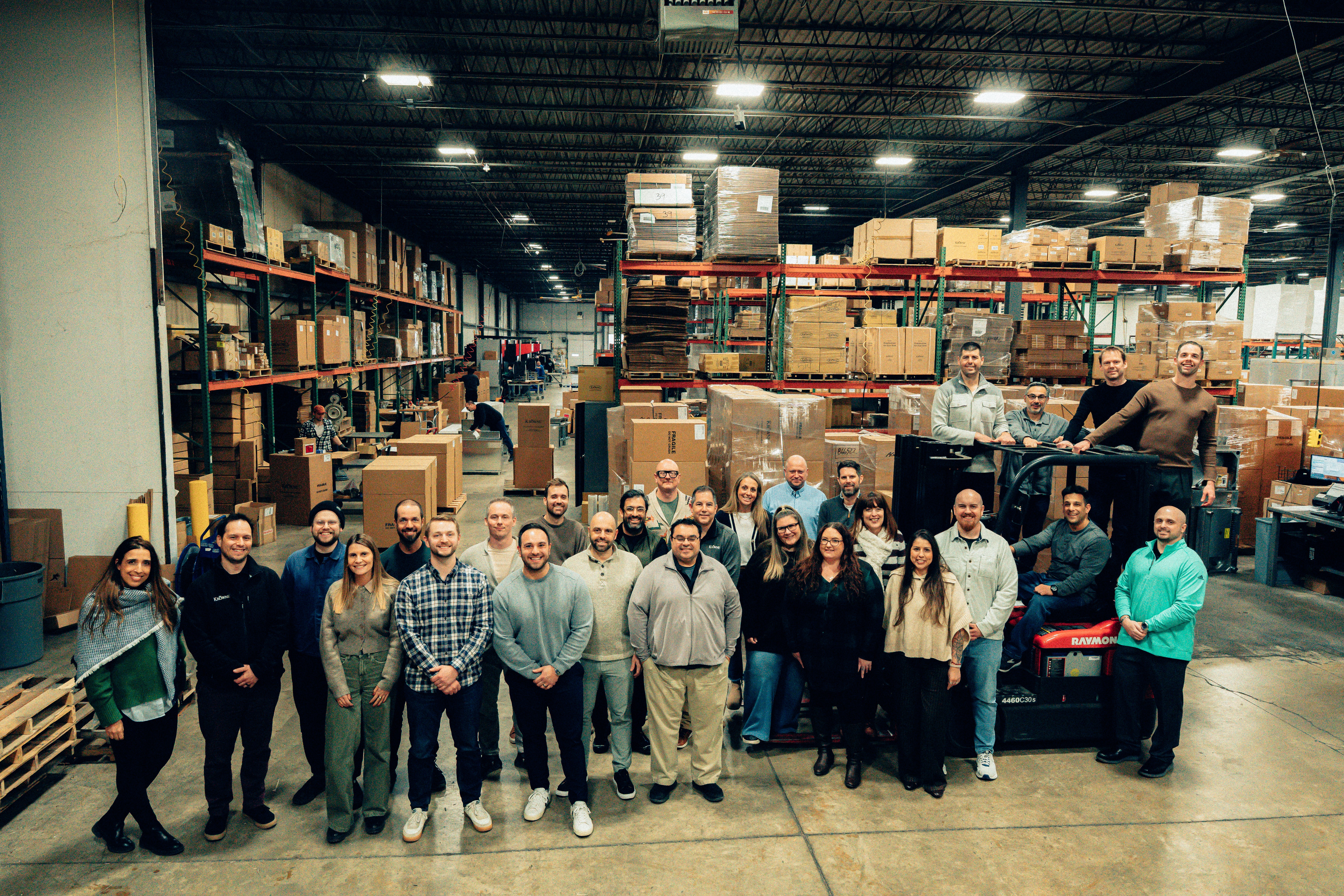
Inside Krowne’s US manufacturing facility. The strategic partnership brings both companies into closer collaboration across design, manufacturing and the future development of bar systems.
A bar has to work for more than one person
Every Behind Bars project is considered through three connected perspectives: the bartender, the guest and the owner.
The bartender needs a station that supports movement, access and consistency under pressure. The guest feels the result through the pace, attention and interaction taking place across the counter. The owner needs an operation that can manage volume, maintain standards and perform commercially over time.
A decision that benefits one while ignoring the others is rarely a complete solution.
This is why the process begins with questions about the operation rather than the appearance of the bar. What will be served? How many people will work there? Where do the busiest moments occur? What needs to remain within reach? How will the station be cleaned, maintained and restocked?
The answers shape the layout, storage, equipment, utilities and materials.
The final station still has to belong in the room. But appearance is only one part of its job.
“We are building furniture so that bars can make money,” Alex explains. “At the same time, it has to support the bartender and improve the guest experience.”
When the station is intuitive and everything has a clear place, the bartender can concentrate on service instead of working around the equipment. Training still matters—the best workspace cannot define how a team uses it—but the physical setup should never be what holds them back.
Protecting the standard while making it more accessible The standards Alex learned in luxury hospitality still influence how Behind Bars operates today. Not only in the finished station, but throughout the client experience: understanding the brief, controlling costs, delivering on time, resolving difficult details and continuing to support the project after delivery.
Growth has not changed the expectation. If anything, it has made the process behind the product more important.
“We make decisions every day that protect what makes Behind Bars special,” Alex says. “We do not want to compromise the standard.”
At the same time, high-quality custom work has to respond to the financial realities of hospitality. Budgets matter on every project, including the most luxurious developments.
Behind Bars is therefore continuing to refine its custom production process and invest in new technologies that can make bespoke solutions more efficient and cost-effective. The aim is not to strip away the thinking that goes into the work, but to make that level of thinking available to more projects.
That work is already shaping new products, digital platforms and ways for clients and partners to develop projects with the team.
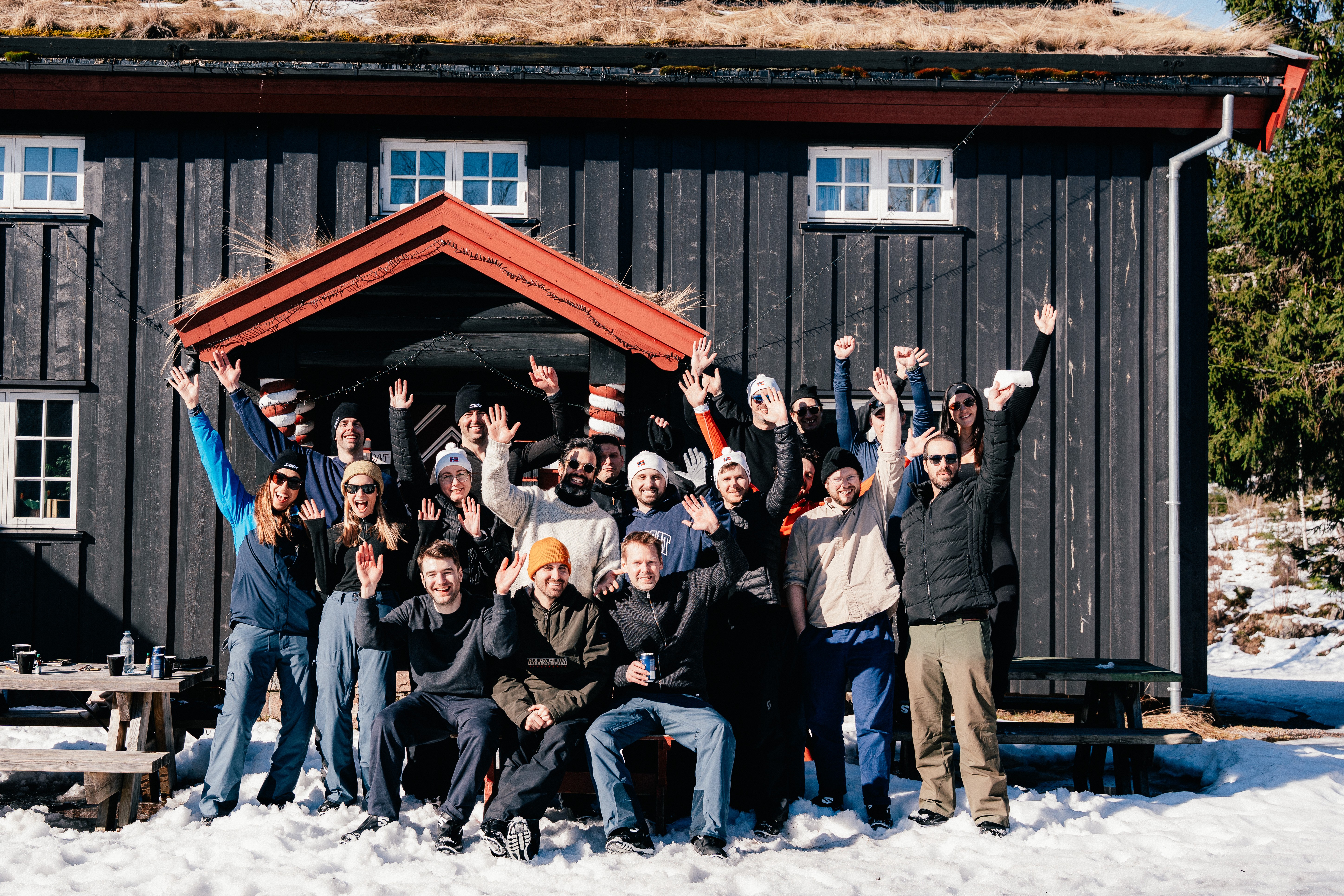
From two founders to an international team of bartenders, engineers, industrial designers and operational managers, now delivering projects across more than 57 countries.
Sam describes the company’s current position through the Norwegian story of Askeladden: a boy reaches the top of a mountain, only to see how much of the journey still lies ahead with hope and inspiration;
“We’ve come a long way but there’s so much more to come, it’s a super exciting time to be designing bars. People's attitudes are changing there’s a real appreciation for good design and good quality, as well as how this niche of expertise can really elevate projects’
It is a useful way to understand Behind Bars after more than a decade. The company is no longer two bartenders working between shifts. It has a wider team, international manufacturing partnerships and bar systems operating across more than 57 countries.
But neither founder speaks as though the work has been solved.
There are still better ways to organise a station, more accessible ways to produce custom solutions and more to understand about how hospitality is changing. The business is larger, but the question at its centre remains close to the one that started it:
How can the bar work better for everyone around it?
That question has taken Behind Bars from its first consultancy to projects around the world. It is also what keeps the company moving.
Mentioned in The Spill
Take me thereWhere bar design meets creativity, collaboration, and thoughtful design in our headquarters, showroom, and creative space, with co-founder Sam Millin guiding you through the tour.
Behind Bars and Krowne join forces to expand what’s possible behind the bar, combining shared values, complementary strengths and a vision to support the next generation of hospitality.
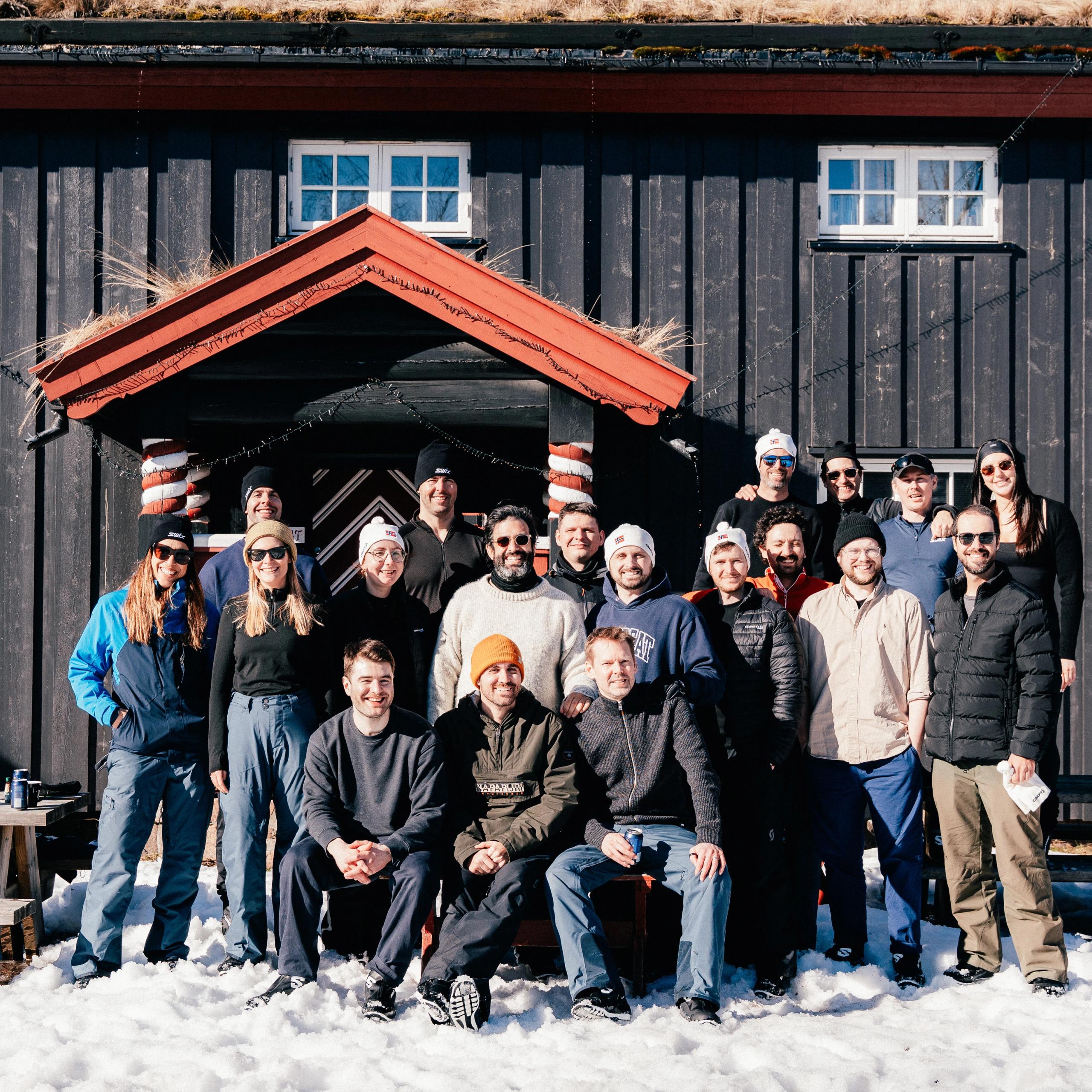
Every year, the Behind Bars team meets somewhere in the world to step out of the day-to-day and align on what’s ahead. This year, we returned to Oslo — where it all started — bringing the team together for a few days of shared perspective, discussion, and direction.
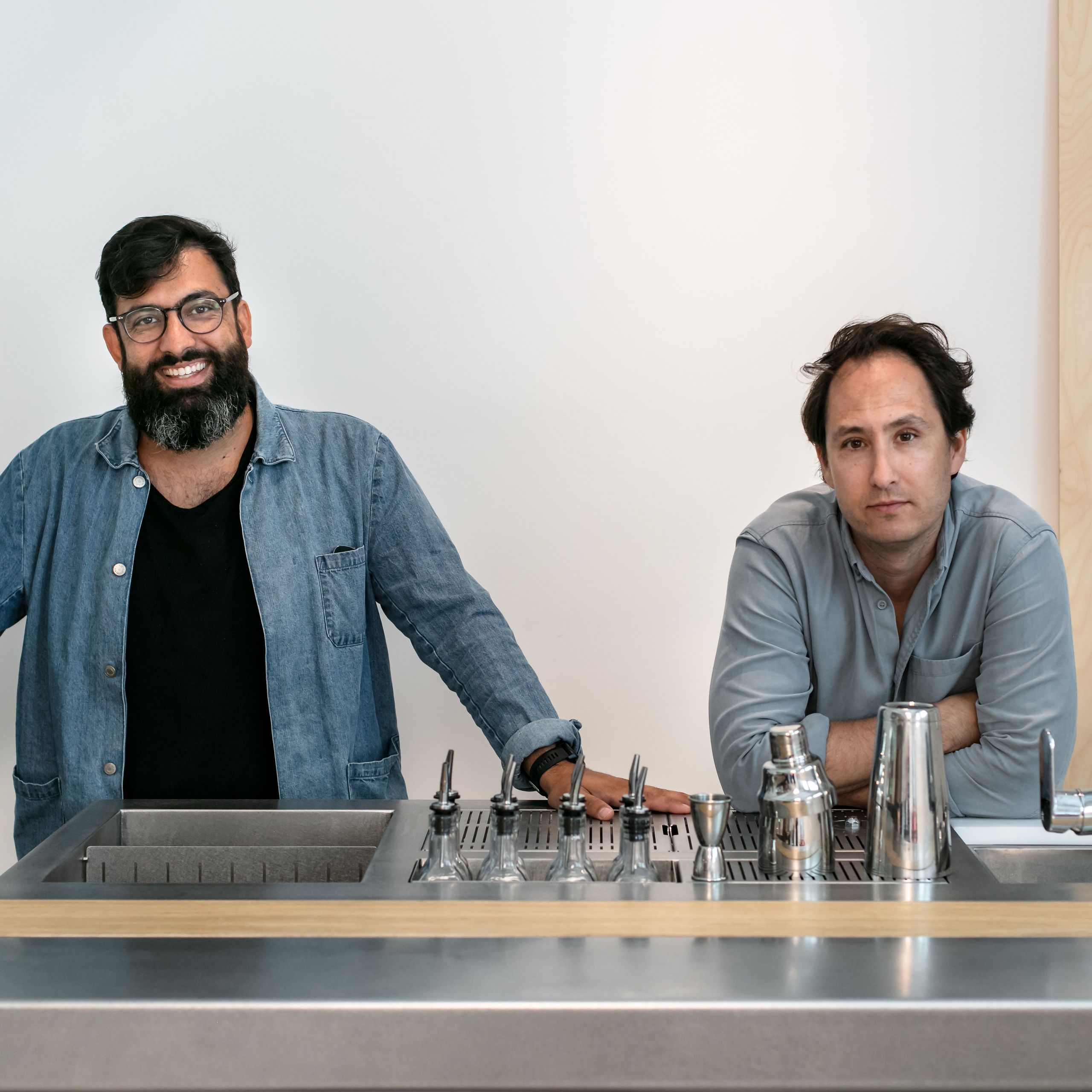
Sam Millin talks about the ways bar design is changing to promote human connection.